How Massage Therapists Can Avoid Burnout in 2026
Burnout is a real threat for massage therapists. Discover essential physical, mental, and business strategies to protect your career and well-being in 2026.
4 min read
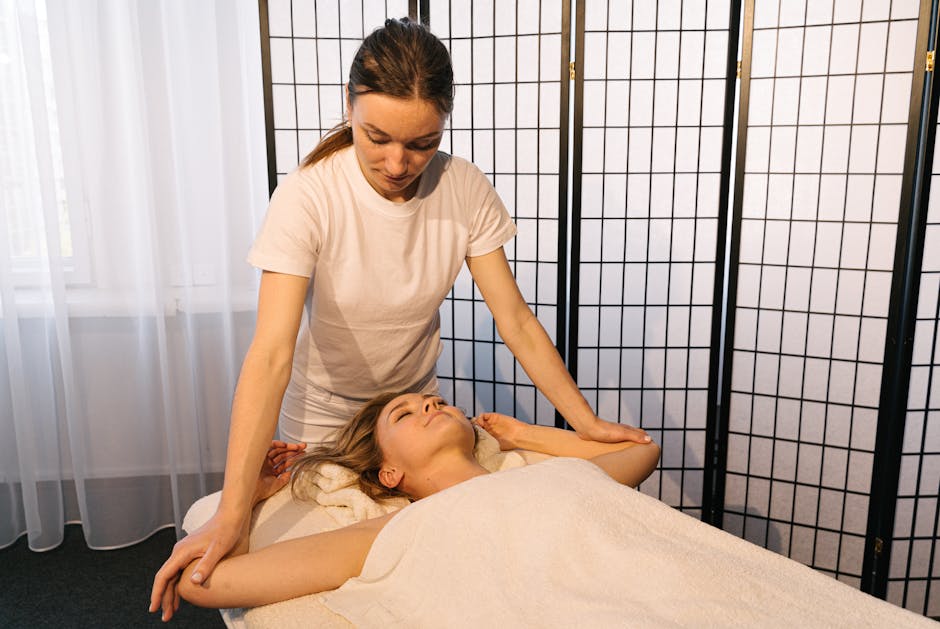
Your Most Valuable Asset Isn't Your Hands—It's You
Hello, fellow professionals. Valentina here. While my days are filled with the precise art of gel extensions and intricate nail designs, I know a thing or two about the physical toll our industry takes. The long hours, the repetitive motions, the constant focus required to deliver exceptional service—it’s a reality whether you’re holding a nail file or working deep tissue. I’ve seen too many talented technicians, both in my field and in massage therapy, burn out because they treated self-care as a luxury rather than what it truly is: an essential business strategy.

As we look ahead to 2026, the demands on wellness professionals are only growing. Clients are more knowledgeable, and the expectation for transformative experiences is higher than ever. To meet that demand sustainably, we have to shift our mindset. Your ability to provide healing and relaxation for others is directly tied to your own well-being. This isn't just about avoiding injury; it's about building a long, prosperous, and fulfilling career. Let's explore the practical, no-nonsense ways to protect your most valuable asset—yourself.
The Foundation: Mastering Your Physical Craft
Before we even touch on the mental or business side of things, we must address the physical reality of your work. As a massage therapist, your body is your primary tool, and maintaining it is non-negotiable. Ignoring this is like a chef using a dull knife; it's inefficient, dangerous, and leads to poor results.
Perfect Your Body Mechanics
I learned early in my career that hunching over a nail table would lead to a short career. For you, the principles are the same, just on a larger scale. It’s about working smarter, not harder.
- Leverage, Don't Push: Use your body weight, not just isolated muscle strength from your arms and shoulders. Practice shifting your weight from your core and legs to apply pressure. This saves your smaller, more vulnerable joints.
- Vary Your Tools: Don't rely solely on your thumbs and fingers. Master techniques that incorporate your forearms and elbows. This not only provides a different sensation for the client but also gives your hands a much-needed break.
- Table Height is Everything: A table that is too low will strain your back, while one that is too high will strain your shoulders and neck. Invest in a hydraulic or electric lift table if possible. It’s a significant upfront cost but pays for itself tenfold in career longevity.
Implement a Proactive Recovery Routine
You wouldn't expect a professional athlete to compete without a warm-up and cool-down. You are a "bodywork athlete," and you need the same approach.
- Pre-Client Warm-up: Before your first client, spend five minutes doing dynamic stretches. Wrist circles, shoulder rolls, and gentle spinal twists can prepare your body for the day.
- Post-Work Cool-down: After your last client, dedicate ten minutes to static stretching. Focus on your hands (flexor and extensor stretches), forearms, pecs, and lower back.
- Embrace Contrast Therapy: After a long day, try alternating between hot (Epsom salt bath) and cold (ice packs on your forearms/wrists) therapy to reduce inflammation and promote recovery.
Fortifying Your Mind: Emotional and Energetic Boundaries
The physical strain of massage therapy is obvious, but the emotional and energetic toll is often overlooked until it’s too late. You are in a healing profession, which means you are constantly holding space for others. If you don't protect your own energy, your well will run dry.

Create Pre- and Post-Session Rituals
These small rituals act as mental boundaries, helping you transition into and out of your professional "healer" role. This prevents you from carrying the energetic weight of your clients home with you.
- Before: The Grounding Breath. Before a client enters the room, stand in the center, close your eyes, and take three deep, intentional breaths. On the inhale, visualize drawing energy up from the earth. On the exhale, release any personal stress or distraction. This centers you for the work ahead.
- After: The Energetic "Rinse." After a client leaves and before you begin cleaning, take a moment to "shake it off." Literally shake your hands and arms. Then, wash your hands and forearms with cool water, visualizing any lingering energy from the session washing down the drain.
Master the Art of the Mindful Pause
The time between clients is not just for changing sheets and sanitizing. It's a critical window for your own reset. Rushing from one client to the next is a fast track to burnout. Even five minutes of intentional pause can make a world of difference.
- Step Away: If possible, step out of the treatment room. Get fresh air, look at something green, or simply sit in a different space.
- Hydrate and Nourish: Drink a full glass of water. Have a small, protein-rich snack ready to go. Dehydration and low blood sugar amplify feelings of fatigue and emotional exhaustion.
- Silence is Golden: Resist the urge to immediately check your phone or emails. Give your brain a break from stimulation. Sit in silence or listen to a single, calming piece of instrumental music.
The Business of Self-Care: Smart Systems for a Sustainable Career
True self-care is embedded in the very structure of your business. How you manage your schedule, set your prices, and communicate with clients directly impacts your ability to avoid burnout. It’s time to build a business that serves you as much as it serves your clients.
Strategic Scheduling is Your Shield
Back-to-back appointments with no breathing room are a recipe for physical and mental exhaustion. You need to build buffers into your day, and your business systems should enforce this boundary for you.
I tell all the technicians I train to automate their boundaries. Using a smart booking platform like REZVA is invaluable for this. You can automatically add 15- or 30-minute buffer times after each appointment, ensuring you always have that crucial reset window without having to negotiate it. This control over your calendar is fundamental to a sustainable practice. Professionals interested in streamlining their business can find more information on REZVA's page for specialists.
Price for Your Well-being
Your prices should reflect more than just the 60 minutes you spend with a client. They must account for your recovery time, continuing education, high-quality supplies, and your own self-care (yes, including your own monthly massage!).
If you feel you have to work 40 hands-on hours a week just to make ends meet, your prices are too low. A strategic price increase, even a small one, can allow you to work fewer hours, reducing physical strain while maintaining or even increasing your income. This isn't greed; it's a sustainable business model.
Conclusion: Invest in Yourself, Secure Your Future
As professionals in the beauty and wellness space, our greatest service is the care we provide. But that care must begin with ourselves. The strategies we've discussed—mastering your body mechanics, setting energetic boundaries, and building a smart business structure—are not indulgences. They are the pillars of a long, successful, and rewarding career in massage therapy.
In 2026 and beyond, the most successful therapists won't be the ones who "hustle" the hardest. They will be the ones who work the smartest, who honor their own physical and mental limits, and who build a practice that is designed for longevity from the ground up. Your well-being is not at odds with your business success; it is the very foundation of it.
Frequently Asked Questions
How can I afford to take more breaks or work fewer hours when I'm just starting out?
It's about shifting your mindset from "time for money" to "value for money." Even a small, strategic price increase of 10-15% can allow you to build in a 15-minute buffer between clients without losing income. Communicate this as part of your commitment to providing a fully present, high-quality service. A rushed, tired therapist provides a less valuable service than a centered, rested one. Your clients will feel the difference.
What is the single biggest mistake you see therapists make that leads to burnout?
Without a doubt, it's ignoring the early warning signs. We are trained to be tough and to push through discomfort. But persistent wrist pain, lingering fatigue after work, or a growing sense of dread before a client are not things to be ignored. The biggest mistake is thinking "I just need to push through this busy season." Burnout is cumulative. Addressing these small signals early with rest, better mechanics, or a schedule change is the key to prevention.
I'm a solo practitioner. How do I enforce boundaries with long-time clients who always ask to be "squeezed in"?
This is where technology becomes your best professional ally. Politely and consistently direct all booking requests to your online system. You can frame it positively: "To ensure fairness for all my clients and manage my schedule effectively, all appointments are now managed through my online booking page. It shows my real-time availability so you can grab the perfect spot!" This depersonalizes the "no" and transforms you from a potentially flexible friend into a professional service provider with clear, established policies.
This article was produced with AI assistance and reviewed by REZVA.
- massage therapist burnout
- professional self-care tips
- wellness business strategy
- preventing industry burnout
- career longevity for therapists
- client management tips
- body mechanics for therapists


Take bookings for massage online.
Clients book themselves from your profile and a deposit covers the no-shows. Free to start, no card. Founding members get Pro free for 12 months, then their price is locked.
98
spots left of 100
12
months of Pro, free
0%
commission on bookings